

Requisites
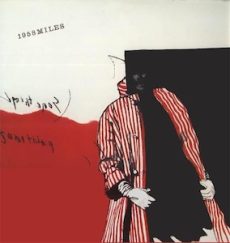
1958 Miles ~ Miles Davis | By Eddie Carter
Throughout his career, Miles Davis was widely regarded not only as a leading figure in jazz but as a monumental presence in music as a whole. He consistently demonstrated his influence by producing an impressive array of records that have remained influential over the years, offering critics, listeners, and fellow musicians more to consider and appreciate than most artists across any musical style. This morning’s album up for discussion is 1958 Miles (CBS/Sony 20AP 1401). Interestingly, this record did not see a complete release in Japan until 1974. Tracks: A1 to A3 were initially released on “Jazz Track” in 1958. Track B1 later appeared on the 1975 double album “Black Giants, ”while track B2 appeared twice in 1973, on the compilations “Basic Miles—The Classic Performances of Miles Davis” and the CBS/Sony Japanese release “The Miles Davis Quintet & Sextet.”
By the time he recorded this album, Davis had brought in some new talented musicians to his group. Red Garland and “Philly” Joe Jones had left, and in their places, pianist Bill Evans and drummer Jimmy Cobb joined the band. Rounding out the ensemble are Julian “Cannonball” Adderley on alto sax (tracks: A1, A2, B1), John Coltrane on tenor saxophone (tracks: A1 to B2), Bill Evans (tracks: A1 to A3, B1), and Red Garland on piano (track: B2). On bass, Paul Chambers is featured on track B2, while Jimmy Cobb (tracks: A1 to A3, B1) and “Philly” Joe Jones (track: B2) keep the rhythm going on drums. The copy of the album I used for this report is the 1979 Japanese Mono Reissue.
Side One kicks off with the timeless song On Green Dolphin Street by Bronislaw Kaper and Ned Washington.Initially written for the 1947 film “Green Dolphin Street”, it’s Miles Davis’s version that truly made it a jazz standard we cherish today. He starts his soulful dialogue on the muted horn, with the trio providing a relaxed, friendly groove around the melody. His energetic lead solo radiates positive vibes, sizzling at a comfortable medium heat, while Coltrane responds with a lively, lyrical interpretation. Cannonball adds his beautiful touch on the third reading, and Evans plays just as wonderfully, culminating in a joyful moment before Miles wraps up the song with a satisfying finish.
Fran-Dance is a heartfelt tribute from Miles to his second wife, Frances Taylor. I first heard this beautiful tune on the 1961 live album, “Miles Davis In Person, Saturday Night at The Blackhawk, San Francisco, Volume 2.” Miles, playing a gently muted trumpet, creates a beautifully dreamy theme that feels warm and inviting, ending with a rich, mellow note. Coltrane’s opening is so lush that it feels like it melts right into your heart. Cannonball's tender, slightly fragile tone adds a delicate touch to the next performance, and Evans approaches the finale with such fingertip delicacy that it becomes one of his most touching ballad performances.
The 1944 jazz classic Stella By Starlight, by Victor Young with lyrics by Ned Washington, provides a graceful ending to the album’s first side and stands as a cherished staple of The Great American Songbook. Cannonball takes a reflective moment to appreciate this enduring masterpiece, highlighting the remarkable solos by Miles, Coltrane, and Evans. The enchanting atmosphere is set immediately with the opening chorus, as the muted trumpet conveys each phrase with deep emotion. Coltrane delivers a powerful, regal rendition, seamlessly leading into Evans’ exquisite solo, which builds to a memorable climax.
Love For Sale, by Cole Porter, made its first appearance in the 1930 musical “The New Yorkers.” The song’s lyrics paint a vivid image of a streetwise woman offering love for purchase, and it has become one of Porter’s most frequently covered songs. Notably, Cannonball and Miles recorded their own rendition just two months earlier for the 1958 album “Somethin’ Else.” Miles opens with a brisk, upbeat introduction, playing with a mute and delivering a truly memorable highlight. Following that, Cannonball takes over and shines brilliantly. Evans then immerses himself in the closing statement, providing a remarkable performance before the group’s theme reprise concludes.
Jackie McLean’s composition Little Melonae made its debut on his 1955 album, “Presenting Jackie McLean”, and is dedicated to his daughter. Cannonball Adderley also doesn’t perform on this track. The quintet introduces the tune with a unified statement of the melody, followed by a captivating solo from Miles Davis, who opens with the mute off, adding a striking touch. John Coltrane responds with heartfelt sincerity in the following statement. Red Garland impresses with refined technique and elegance on his only appearance on the album. Paul Chambers briefly steps into the spotlight, after which the quintet brings the song to a close together.
Teo Macero produced the album, and Larry Keyes carefully engineered each recording session. The sound quality is absolutely stunning across all ranges—treble, midrange, and bass—creating a rich, immersive experience. The sextet’s performance surrounds your favorite listening spot with a beautifully solid soundstage from the instruments, making every note feel alive. Since this is a Japanese release, 1958 Miles might be a bit tricky to track down on your next vinyl hunt. But with a little patience, you’ll be rewarded with an extraordinary album that would make an excellent addition to the Hard-Bop section of your library. It also offers a fresh perspective on Miles Davis’s sound in the Modal style, which reached its peak a year later with “Kind of Blue!”
~ Basic Miles-The Classic Performances of Miles Davis (Columbia KC 32025); Black Giants (Columbia KG 33402); Jazz Track (Columbia CL 1268); Kind of Blue (Columbia CL 1355/CS 8163); Miles Davis In Person, Saturday Night at The Blackhawk, San Francisco, Volume 2 (Columbia CL 1670/CS 8470); Presenting Jackie McLean (AdLib 6601); Somethin’ Else (Blue Note BLP 1595/BST 81595); The Miles Davis Quintet & Sextet (CBS/Sony SOPM-140) – Source: Discogs.com
~ On Green Dolphin Street, Love For Sale – Source: JazzStandards.com
© 2025 by Edward Thomas Carter

More Posts: choice,classic,collectible,collector,history,instrumental,jazz,music,trumpet

Requisites
Over the past fifty years, I’ve found immense joy in listening to Ahmad Jamal’s work across his extensive catalog, including releases on Argo, Cadet, and later Impulse Records. Each time I was fortunate enough to experience his trio live in Atlanta, their performance was absolutely electrifying. Jamal and his group consistently delivered music that was both profoundly moving and impeccably polished. Today’s featured album from my collection is Freeflight (Impulse! – ABC Records AS-9217), which showcases the trio’s live set at the Montreux Jazz Festival. On this recording, Ahmad Jamal plays both the Fender Rhodes electric piano and acoustic piano, joined by Jamil Nasser on bass and Frank Gant on drums. My personal copy is the 1973 U.S. stereo reissue, which retains the original catalog number.
The set opens with a warm welcome to the musicians, setting the stage for the trio’s spirited rendition of Effendi, by McCoy Tyner. The trio dives straight into the brisk tempo, with Ahmad igniting an energetic solo on the electric piano. There’s a brief exchange between Jamil’s bass and Ahmad’s acoustic piano before Jamal returns to the electric keys. Frank contributes a concise, lively reading, and Jamil finishes with an exhilarating finale, driving the tune to a thrilling close, earning an enthusiastic response from the audience. The tempo eases as Jamal introduces Dolphin Dance by Herbie Hancock on the acoustic piano, segueing into the group's melody. Jamal’s deeply expressive playing doesn’t disappoint, leading to a vibrant conclusion and audience applause.
Side Two begins with Ahmad and Jamil engaging in a musical conversation, leading into the pianist’s Manhattan Reflections. Jamal returns to the electric piano for a buoyant mid-tempo melody, then takes off first with a spirited opening statement that captures the energy of both instruments. The piano and bass then share the spotlight briefly to revisit the theme before the trio’s closing chorus ends gently. Ahmad returns to the acoustic piano to conclude the set with his signature tune, Poinciana by Nat Simon and Buddy Bernier. A solo introduction from Jamal leads into the ensemble’s mid-tempo theme. As the only soloist, Jamal tells a captivating story with Nasser and Gang’s support until the trio reunites to conclude the song, greeted by the audience’s enthusiastic applause!
The production of Freeflight was a collaborative effort between Ahmad Jamal and Ed Michel, while Carlos Olms and Stephan Sulke handled the recording of the live performance. Overall, the recording quality is commendable, though there’s one significant flaw: the microphone was positioned too close to Jamal’s electric piano during Effendi, resulting in noticeable harshness and overmodulation. However, please don’t let that minor drawback deter you from seeking out Freeflight by Ahmad Jamal when browsing for records on your next shopping trip. Although not as well- known as his earlier live release, At The Top: Poinciana Revisited, this album still deserves consideration for your library. Even after more than five decades, the album delivers outstanding piano trio music and is highly Recommended!
~ At The Top: Poinciana Revisited (Impulse! – ABC Records AS-9176) – Source: Discogs.com
~ Poinciana – Source: Wikipedia.org
© 2025 by Edward Thomas Carter
More Posts: choice,classic,collectible,collector,history,instrumental,jazz,music,piano
Requisites
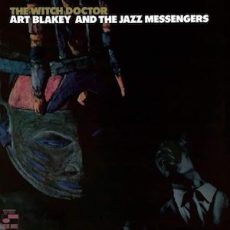
The Witch Doctor ~ Art Blakey and The Jazz Messengers | By Eddie Carter
In this morning’s discussion, I’m excited to share a remarkable release from the library with you by Art Blakey and The Jazz Messengers. Although it was recorded back in 1961, The Witch Doctor (Blue Note BST 84258) didn’t become available to the public until 1967. The Jazz Messengers were renowned for their evolving roster of exceptional musicians, and this particular album features one of the drummer’s most memorable ensembles. The group consists of Lee Morgan on trumpet, Wayne Shorter on tenor saxophone, Bobby Timmons on piano, and Jymie Merritt on bass. The copy of this album I own is the 2021 Worldwide Blue Note Tone Poet Series stereo audiophile reissue, using the original catalog number.
The title tune by Lee Morgan opens the album, and the ensemble’s visit to The Witch Doctor sets a friendly tone with its mid-tempo introduction and inviting melody. Bobby starts us off with a relaxing solo, then Wayne takes a few easy-flowing choruses. Lee then takes over to give the following interpretation before Bobby returns to add a few comments, continuing to swing joyfully with the front line into the ending theme and climax. Lee’s Afrique begins with the trio’s animal sounds before Shorter’s piercing horn leads into the quintet’s medium-paced melody. Shorter kicks off the first solo with confidence, then Morgan adds an intense, steadily burning energy. Timmons approaches the third statement effortlessly, and Blakey finishes with a strong punch before the melody’s reprise and fadeout.
Wayne Shorter’s Those Who Sit and Wait grabs your attention right away with Art’s lively introduction to the quintet’s spirited theme. Wayne launches into a rapid-fire opening statement, followed by Lee’s energetic reading. Bobby jumps in next, meeting the challenge with an excellent solo that paves the way for a heated exchange between Lee, Wayne, and Art, propelling the ensemble to an electrifying climax. Side Two commences with the rhythm section’s infectious introduction, smoothly segueing into the group’s melody of Bobby Timmons’ A Little Busy. Timmons gets right to work first. Shorter keeps the lively mood going next, followed by another solo from the pianist. Lee paves a road back to the closing chorus, which softly fades away.
Joelle by Wayne Shorter comes at you with the rhythm section’s introduction gradually increasing into the ensemble’s upbeat theme. Lee makes the initial entrance with a nimble opening solo. Wayne delivers a captivating stream of ideas in the following reading. Bobby anchors the tune with a driving swing, culminating in a return to the melody that slowly dissolves into nothingness. Lost and Found by Clifford Jordan opens at a fast gallop for the quintet’s theme. Timmons leads the charge with a high-spirited statement, then steps aside for Shorter, who romps through the following solo. Morgan pours intense emotion into the third performance next, then Art engages the front line in a quick, dynamic exchange before the ensemble races to the conclusion with a sudden, abrupt stop.
The original recording session of “The Witch Doctor” was produced by Alfred Lion, with Rudy Van Gelder serving as the recording engineer. For the reissue, Joe Harley oversaw production, and Kevin Gray handled mastering, working directly from the original master tapes at Cohearant Audio. The result is exceptional audio quality, delivering a rich soundstage that truly immerses the listener. For those who are already collectors of the Blue Note Tone Poet Series, you know firsthand the exceptional quality and attention to detail these reissues offer, everything from high-resolution gatefold images and outstanding cover design to the premium 180-gram Virgin Vinyl, with the music itself being the ultimate highlight. But if you haven’t experienced them yet and you love jazz, you’re in for an absolute treat!
In addition to its outstanding musical performances, “The Witch Doctor” by Art Blakey and The Jazz Messengers is a fantastic album from beginning to end, perfectly embodying the essence of hard bop through vibrant compositions and dynamic group interplay. I highly recommend this Blue Note Tone Poet audiophile reissue as a great addition to your jazz library. I’m sure that whether you’re already a fan of Art Blakey or just starting to explore his extensive discography, this album is sure to become a favorite on your turntable!
© 2025 by Edward Thomas Carter
More Posts: choice,classic,collectible,collector,drums,history,instrumental,jazz,music
Requisites
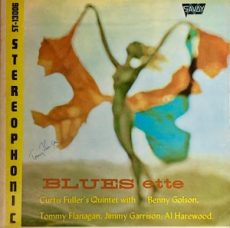
Blues-ette ~ Curtis Fuller Quintet | By Eddie Carter
Curtis Fuller is widely regarded as one of the top jazz trombonists. A few nights ago, I enjoyed listening to this morning’s album from the library, and that’s what inspired this discussion of his 1959 release, Blues-ette (Savoy MG-12141/SST-13006). Throughout his more than 65 years in music, Fuller built an impressive catalog of recordings, both as a band leader and as a sideman, including work with Joe Henderson, Lee Morgan, Bud Powell, Wayne Shorter, Jimmy Smith, the Jazz Messengers, and the Jazztet. On this album, he’s joined by fellow Jazztet member Benny Golson on tenor saxophone, Tommy Flanagan on piano, Jimmy Garrison on bass, and Al Harewood on drums. The copy of this album I own is the 1973 U.S. stereo reissue, which shares the original catalog number.
Five Spot After Dark by Benny Golson opens the album. It’s a delightful medium-tempo tune that the front line brings to life with the melody. Curtis begins with a relaxing, welcoming solo. Benny blends each note of the following reading with a joyful energy. Tommy keeps the beat alive in the third interpretation. Jimmy joins the front line for the closing statement, leading to the ending theme and climax. Undecided by Sydney Robin and Charlie Shavers is a catchy tune that opens with the quintet laying down a gorgeous mid-tempo beat on the theme. Fuller takes center stage next with an impressive interpretation. Golson comes right behind him with an irresistible improvisation. Harewood provides a concise, impactful solo alongside both horns, building up to a lively reprise and a satisfying ending.
The title tune, Blues-ette by Curtis Fuller, wraps up the first side with Tommy’s sprightly introduction to the melody’s theme. Curtis sets the mood in the opening statement, delivering an understated and moving narrative. Benny effortlessly rises to the occasion in the following performance. Tommy follows with a dazzling display, then Jimmy caps the solos with a short walk to the ensemble’s close. Benny Golson’s Minor Vamp is anything but, as the second side unfolds, beginning with Garrison and Harewood’s introduction to the lively melody. Golson kicks off the solos, pouring his heart into each note. Fuller gives a captivating performance of lively verses next. Flanagan gets the last word with an energetic solo, ahead of the ensemble’s closing chorus and fadeout.
Love Your Spell Is Everywhere by Edmund Goulding and Elsie Janis begins with the quintet’s medium-tempo theme. Benny takes the lead with an exquisitely crafted performance. Next, Curtis gets into the groove with an exceptional reading that’s cool, smooth, and polished. Tommy executes the closing statement with meticulous execution ahead of the ensemble’s end theme and close. Garrison and Harewood open the door to the quintet’s easygoing unison melody to Curtis Fuller’s Twelve-Inch. Golson takes the stage first with a sweet and tasty reading. Fuller makes his case next with a captivating contribution. Flanagan moves sprightly along in the third solo, and Garrison puts the exclamation point on the song before the quintet comes back together to wrap things up.
“Blues-ette” was supervised by Oscar “Ozzie” Cadena, and Rudy Van Gelder managed the recording controls. The sound quality of this reissue is exemplary. The instruments deliver a vibrant soundstage that places the listener’s sweet spot in the studio with the musicians. If you’re a longtime fan of Curtis Fuller or are just discovering his discography, I invite you to check out “Blues-ette” on your next trip to your favorite record store. It’s a terrific album and is highly recommended for anyone’s library who enjoys hard-bop or lively “blowing sessions.”
~ Love Your Spell Is Everywhere – Source: Wikipedia.org © 2025 by Edward Thomas Carter
More Posts: choice,classic,collectible,collector,history,instrumental,jazz,music,trombone
Requisites
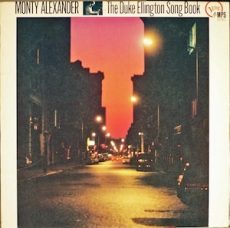
The Duke Ellington Song Book ~ Monty Alexander | By Eddie Carter
This morning’s selection from the library is by one of my favorite pianists. The Duke Ellington Song Book (MPS Records 821 151-1) by Monty Alexander is a sincere tribute to one of jazz’s legendary composers in a duet setting. Monty was born on June 6, 1944, in Kingston, Jamaica, and he discovered the piano at age four. He could pick out melodies by ear and became interested in jazz piano at fourteen. He attended DeCarteret College in Mandeville, then continued his education at Jamaica College. He later began playing in clubs and recording with Clue J & His Blue Blasters, subbing for his hero, Aubrey Adams, when he was unable to play. Monty Alexander is heard here on a Steinway Concert Grand Piano, and John Clayton is on bass. It was initially released in Germany, and my copy of this album is the 1984 U.S. Stereo release (Verve – MPS Series 821-151-1).
The album opener, I Let A Song Go Out Of My Heart by Duke Ellington, Irving Mills, Henry Nemo, and John Redmond, is a happy swinger that takes off with the duo’s spirited melody. The pianist continues dazzling on the first interpretation, then John flexes his muscles in a short statement before the theme’s reentry dissolves slowly. Sophisticated Lady by Duke Ellington, Irving Mills, and Mitchell Parish begins with a soft musical conversation with Clayton stating the tender theme, while Alexander’s pensive restraint supports him. Monty’s opening statement is especially moving and perfectly executed, and John responds with a gentle, understated reading, ahead of the melody’s thoughtful reprise and conclusion.
Things Ain’t What They Used To Be by Mercer Ellington and Ted Parsons was one of the Ellington orchestra’s most-played tunes, and the duo begins with a lively prance through the melody. Monty takes the solo and delivers a stimulating performance that builds to a peak before descending into the closing chorus. Up next is Love You Madly by Duke Ellington and Billy Strayhorn. Here, the duo provides another example of how the right notes delivered with impeccable timing can transform a classic into a fresh conversation between piano and bass. Their interplay is equally elegant and unhurried, allowing each verse to breathe and every nuance to shine into the theme’s restatement and soft ending.
Monty Alexander has always had a remarkable knack for selecting fresh material, steering clear of overplayed standards, and he does just that with Phil Moore’s Eastside, Westside. The duo opens with a thoughtful introduction and melody, with Alexander immediately making a memorable impact in his initial interpretation. Clayton responds with a subtle, tasteful bass line, then Monty brings everything together with a final flourish, leading into a gentle fadeout. The duo starts Side Two with In A Mellow Tone by Duke Ellington and Milt Gabler, and their introduction and jaunty melody are sure to get your body moving and your toes tapping. Monty takes the opening solo, showing off his considerable technical fluency, while John follows with a performance as enjoyable as a morning stroll in the sunshine.
Caravan, by Duke Ellington, Juan Tizol, and Irving Mills, offers Monty Alexander an expansive space for a brilliant solo performance. The pianist approaches the well-known tune with energetic enthusiasm, reimagining it through his own perspective, culminating in its reprise and conclusion. Just Squeeze Me, by Duke Ellington and Lee Gaines, expresses a longing for affection while also declaring unwavering love, even across distances. Clayton’s introduction gets things started, then Alexander joins in to complete the melody. Monty delivers the opening solo with lovely, sentimental melodic lines. John follows with a deep, thoughtful presentation until the duo gently revisits the theme, allowing the song to fade out slowly.
In A Sentimental Mood, by Duke Ellington, Manny Kurtz, and Irving Mills, is one of the most beautiful jazz standards ever written. Monty and John set a serene mood with a theme of refined grace. Alexander’s delicate touch during the sole solo showcases his remarkable talent for interpreting ballads filled with romantic feeling. Clayton adds a cozy, velvety layer under the piano, leading to a tender, heartfelt finale. The album’s cheerful closing note comes with Duke Ellington’s C Jam Blues, featuring Alexander and Clayton’s spirited opening. Alexander takes the spotlight with a lively, medium bounce that naturally swings, while Clayton adds some playful steps during a brief walk, and both musicians bring the song to a joyful end.
Hans Georg Brunner-Schwer was at the helm as producer and recording engineer for The Duke Ellington Song Book. The album’s sound quality is exceptional, creating a vivid listening experience that places the performers right in the sweet spot of your listening room with remarkable precision. Whether you're already familiar with Monty Alexander’s rich body of work or just discovering him, I highly recommend seeking out The Duke Ellington Song Book during your next record-shopping trip. This album delivers an outstanding introduction for new listeners and serves as a brilliant highlight for longtime fans!
~ C Jam Blues, Caravan, I Let A Song Go Out of My Heart, In A Mellow Tone, In A Sentimental Mood, Just Squeeze Me, Sophisticated Lady, Things Ain’t What They Used To Be – Source: JazzStandards.com © 2025 by Edward Thomas Carter
More Posts: choice,classic,collectible,collector,history,instrumental,jazz,music,piano